The modern Kansas City Chiefs organization is widely recognized as a masterclass in sustained football excellence, a dynasty constructed on the razor-sharp synchronization of front-office precision and on-field execution. Yet, behind the scenes at One Arrowhead Drive, late-night emergency meetings and closed-door conversations are signaling a tense operational crossroads. While head coach Andy Reid and superstar quarterback Patrick Mahomes focus their efforts on an unprecedented championship run, general manager Brett Veach is navigating a high-stakes roster puzzle. The front office is managing an immediate salary cap crunch, an explosive off-the-field legal crisis involving a vital offensive weapon, and the meticulous integration of defensive building blocks designed to sustain dominance for years to come.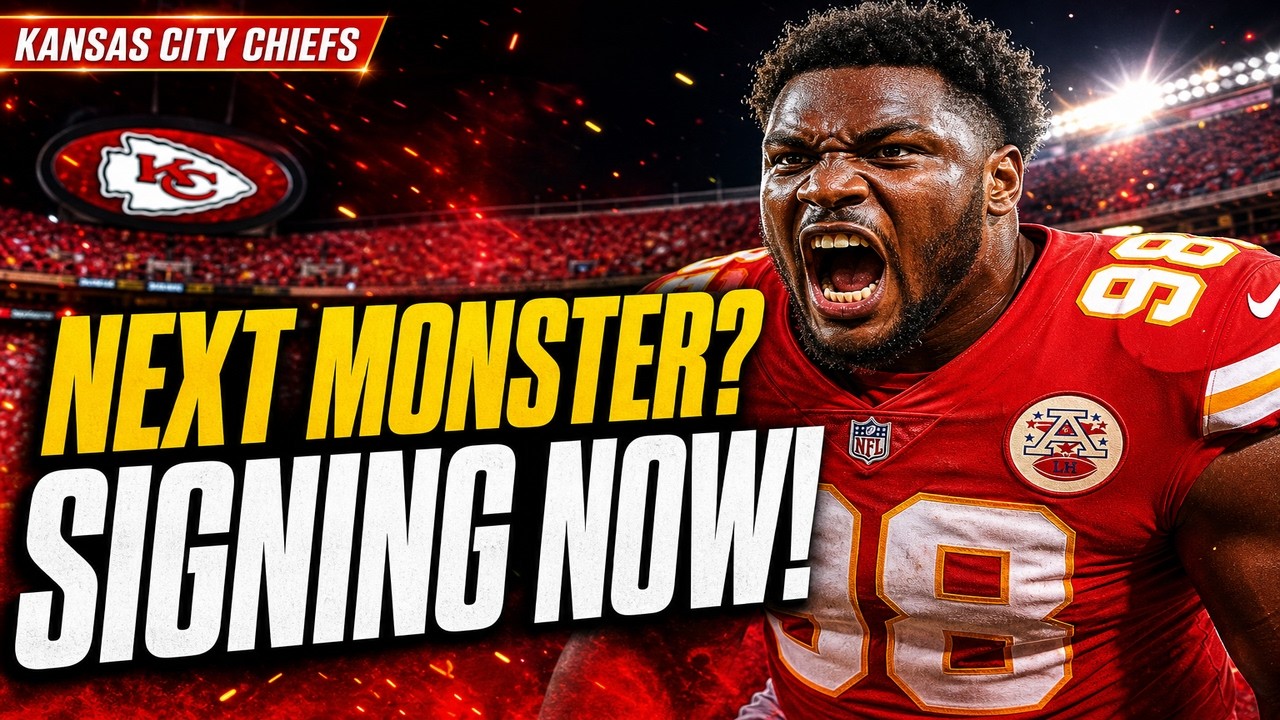
As phase three of Organized Team Activities (OTAs) progresses and mandatory mini-camp looms in mid-June, the Chiefs are facing a rigid mathematical bottleneck. According to updated financial assessments, the organization currently sits with limited breathing room under the traditional cap structure. The operational reality dictated by the NFL’s Top 51 rule reveals that Kansas City is roughly $3.4 million short of the necessary liquid capital required to finalize agreements with their remaining draft class. While day-three selections like seventh-round quarterback Garrett Nusmeier, fifth-round running back Emmit Johnson, and fifth-round wide receiver Cyrus Allen have signed highly affordable rookie packages, the upper tier of the draft class has brought the financial queue to a standstill.
The financial pressure accelerated when fourth-round hybrid defensive back Jaden Kennedy signed his rookie deal out of Oregon, registering an initial cap hit of approximately $1.22 million. The gridlock has left two of the Chiefs’ most prestigious first-round selections—defensive tackle Peter Woods out of Clemson and cornerback Mansoor Delane—completely unsigned. Because first-round choices command fully guaranteed contracts under current collective bargaining frameworks, Woods’s initial hit is slated at $3.3 million, while Delane’s contract spikes to a massive $7.6 million for the season. To alleviate this shortfall and secure essential regular-season emergency funds, Veach is evaluating structural restructures for cornerstone veterans. High-cap figures like Chris Jones, Trey Smith, Creed Humphrey, and George Karlaftis are under intense evaluation, with the front office leaning toward adjusting younger assets who are guaranteed to anchor the roster for the foreseeable future.
The Rashee Rice Ultimatum: A Nine-Figure Blunder
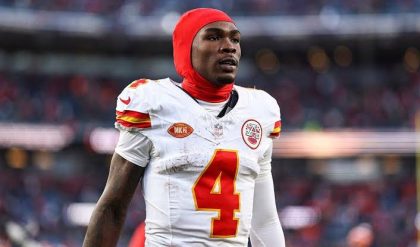
Compounding the salary cap puzzle is a glaring wide receiver controversy that has forced the front office into a moral and economic corner. Rashee Rice, who was systematically engineered to serve as a primary engine for Patrick Mahomes’ passing attack alongside vertical rookie threat Xavier Worthy, has completely compromised his availability. Following a highly publicized probation violation stemming from a positive THC test, Rice was officially sent to jail to serve a mandatory 30-day sentence. This legal setback occurs on the heels of a previous six-game suspension and a major mid-May cleanup surgery on his knee, igniting furious backlash from national analysts and fans alike.
The fallout from this latest off-the-field blunder is a certified financial catastrophe. National insiders point out that Rice’s unreliability has effectively vaporized his chance at a generational, nine-figure contract extension—specifically a projected five-year, $150 million framework that his early career trajectory merited. Prominent football voices, including John Middlekauff of the Three and Out podcast, have publicly implored the Chiefs to cut ties with the talented playmaker entirely, arguing that unreliability in crucial positions inevitably destroys team continuity.
Brett Veach now stands at an absolute crossroads before training camp. Choosing to release or trade Rice immediately would send a definitive, zero-tolerance message regarding organizational accountability, prioritizing locker room integrity over raw athletic output. Conversely, retaining him on a highly discounted, incentive-laden short-term deal due to his tanked market value allows Kansas City to retain a dangerous offensive weapon, though it introduces a recurring risk of in-season abandonment. While the fan base remains divided, deep threats like Tyquan Thornton and developmental rookies are waiting in the wings to seize any vacated snaps.
The Under-the-Radar Masterstroke: Ka’dar Kohou’s Secondary Resurgence
While the offense grapples with operational turbulence, the defensive secondary has quietly received massive validation from national media networks. ESPN’s Bill Barnwell sent shockwaves through free-agency evaluation circles by naming a quiet, highly calculated acquisition as the single best offseason move for the Kansas City Chiefs. The player in the spotlight is resilient coverage defender Ka’dar Kohou.
Following the high-profile departures of elite defensive backs Trent McDuffie and Jaylen Watson in the open market, the Chiefs’ secondary was widely projected as a major point of vulnerability. Instead of panicking and overpaying aging free agents, Veach executed a masterful, budget-conscious gamble on Kohou. As an undrafted free agent with the Miami Dolphins, Kohou showcased elite traits, locking down opposing wideouts to a stellar 83.2 passer rating in coverage before an unfortunate ACL tear derailed his campaign during training camp.
Barnwell explicitly compared this low-risk, high-reward transaction to the legendary Bashaud Breeland signing in 2019, where a highly capable cornerback was secured on an affordable $2 million deal and transformed into a foundational pillar of a Super Bowl championship defense. Kohou is projected to enter training camp at 100% health, where he will engage in a direct, high-stakes competition with rookie Jaden Kennedy for the primary nickelback role. Possessing the fluid spatial awareness required to mirror slot receivers inside or defend boundaries out wide, Kohou gives defensive coordinator Steve Spagnuolo immense pre-snap disguise flexibility without compromising the essential salary cap space required for future extensions.
Locking Down the Closer: R’Mason Thomas Officially Signs
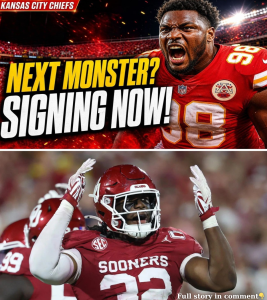
As the secondary reloads, the defensive front line secured its long-term future in the trenches. Just 24 hours after finalizing terms with Kennedy, the Chiefs officially locked up explosive second-round edge rusher R’Mason Thomas to a lucrative four-year rookie contract worth just under $12.2 million, anchored by a substantial $5.3 million signing bonus. Selected at number 40 overall out of the University of Oklahoma, Thomas represents the spearhead of a heavily defense-focused draft class that saw the Chiefs invest four consecutive premium selections on defensive building blocks.
Thomas earned his terrifying collegiate nickname, “the closer,” by accumulating 15.5 sacks and 22 tackles for loss over his final two seasons in the SEC, taking home prestigious all-conference honors. While some draft analysts consider him slightly undersized compared to traditional Chiefs defensive ends, Spagnuolo is ecstatic to inject his rare initial get-off speed into a heavy edge rotation featuring George Karlaftis, Ashton Gillotte, and former first-round pick Felix Anudike-Uzomah. Thomas possesses an elite burst from the line of scrimmage, allowing him to run the arc and turn the corner before opposing offensive tackles can establish a clean anchoring point.
The structural beauty of this signing lies in its synergy with the interior defensive line. By pairing Thomas on the edge with elite game-wrecker Chris Jones drawing constant double teams inside—alongside free agent Keondre Coburn and top pick Peter Woods—the Chiefs have established a clean runway for their new number 40 to operate in isolated, late-game pass-rushing situations. Thomas is slated to serve as a specialized third-down weapon designed to force devastating turnovers and close out games when opposing offenses are forced into predictable passing scenarios.
A Division-Altering Cliffhanger
The structural alignment of these roster pieces points toward an uncompromising vision: the Kansas City Chiefs are systematically re-engineering themselves to survive any potential offensive regression by assembling an elite, young, and economically sustainable defensive juggernaut. If the front office successfully navigates the legal ramifications of the Rashee Rice situation, if Ka’dar Kohou claims the starting nickel role, and if R’Mason Thomas translates his pocket-collapsing explosiveness to the professional level, the rest of the NFL will face a nightmare scenario at Arrowhead Stadium.
Yet, the high-stakes chess match within the AFC West is far from settled. Rumors are swirling from league insiders that Brett Veach is quietly preparing an aggressive trade offer for a veteran Pro Bowl wide receiver to insulate Patrick Mahomes from future offensive instability. In a direct countermove that could break the internet, the rival Las Vegas Raiders have simultaneously cleared significant salary cap space and are actively calling the exact same veteran’s representative to block Kansas City’s ambitions. The fuse is officially lit, the financial blueprint is set, and Chiefs Kingdom is strapped in for another historic personnel war as training camp approaches.