Hip pain can range from a mild nuisance to a debilitating ache—and because the hip is a complex joint connected to your spine, pelvis, and legs, pain can originate from the hip itself or be “referred” from nearby structures. Understanding the likely cause helps you respond wisely.
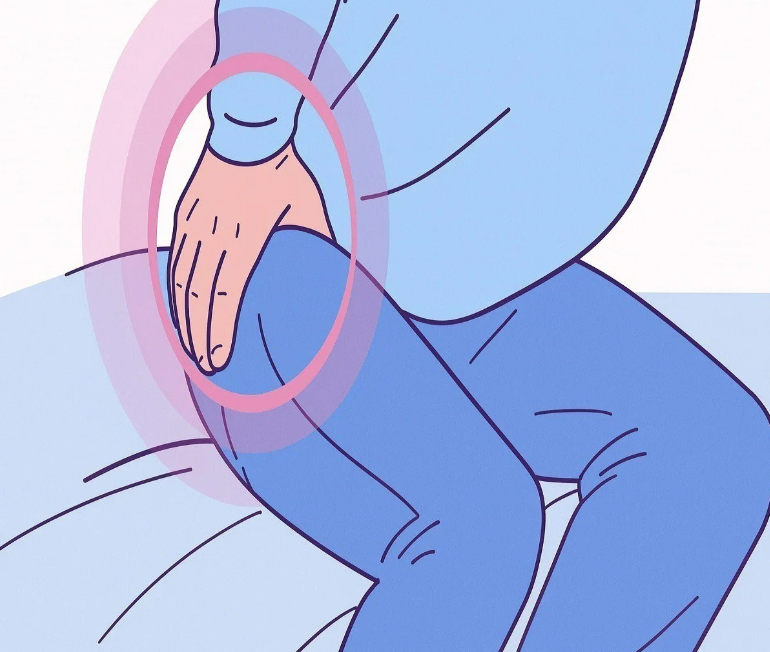
Common Causes of Hip Pain (By Location)
Pain on the Outside of the Hip
Greater Trochanteric Pain Syndrome (GTPS)
-
What it is: Inflammation of the tendons or bursa on the outer side of the hip
-
Symptoms: Aching or sharp pain on the outside of the hip; worse when lying on that side, climbing stairs, or standing up from a chair
-
Who gets it: Women, middle-aged adults, runners, and people with IT band tightness
-
What helps: Physical therapy, stretching, ice, anti-inflammatory medications
-
What it is: Tightness of the iliotibial band (a thick band of tissue running from hip to knee)
-
Symptoms: Pain on the outer hip and knee, especially during running or walking
-
What helps: Stretching, foam rolling, strengthening gluteal muscles
Pain in the Front of the Hip (Groin Area)
-
What it is: Wear-and-tear of the cartilage in the hip joint
-
Symptoms: Gradual onset of deep, aching pain in the groin or front of the thigh; stiffness in the morning; pain worsens with activity
-
Who gets it: Adults over 50; people with family history or previous hip injury
-
What helps: Weight management, physical therapy, pain management, joint replacement if severe
-
What it is: Tear in the cartilage ring that seals the hip socket
-
Symptoms: Sharp catching or clicking sensation in the groin; stiffness; feeling that the hip is “locking”
-
Who gets it: Athletes (especially soccer, hockey, golf), people with hip impingement
-
What helps: Physical therapy, activity modification, sometimes surgery
-
What it is: Bony overgrowth causing abnormal contact between the ball and socket
-
Symptoms: Groin pain, stiffness, reduced range of motion
-
Who gets it: Young, active adults; athletes
-
What helps: Physical therapy, activity modification, sometimes surgery
Pain in the Back of the Hip / Buttock Area
-
What it is: Pinched nerve in the lower back sending pain to the hip and leg
-
Symptoms: Sharp, burning, or electric-shock pain radiating from the lower back into the buttock and down the leg; numbness or tingling
-
What helps: Physical therapy, stretching, anti-inflammatories
-
What it is: Tight piriformis muscle (deep in the buttock) compressing the sciatic nerve
-
Symptoms: Pain deep in the buttock that may radiate down the leg; worse with sitting, climbing stairs
-
What helps: Stretching, massage, physical therapy
-
What it is: Inflammation or misalignment of the joint connecting the pelvis to the sacrum
-
Symptoms: Dull ache on one side of the lower back/buttock; pain with standing up, climbing stairs, or lying on the affected side
-
What helps: Physical therapy, SI belt, chiropractic care
 Red Flags: When Hip Pain Is an Emergency
Seek immediate medical attention if hip pain is accompanied by:
 Inability to bear weight on the affected leg
Sudden, severe pain after a fall or injury (possible fracture)
Fever or chills (possible infection)
Swelling, redness, or warmth over the joint (possible septic arthritis)
Numbness or weakness in the leg or foot
Loss of bladder or bowel control (possible spinal emergency)
When to See a Doctor (Non-Emergency)
Make an appointment if:
-
Pain persists for more than 2 weeks despite rest and home care
-
Pain interferes with sleep or daily activities
-
You have a known history of cancer (possible metastasis)
-
You have unexplained weight loss or night sweats
Self-Care Tips for Mild Hip Pain
 Rest – Avoid activities that worsen the pain
Ice – Apply ice packs for 15-20 minutes several times daily
Heat – For stiffness, apply heat before stretching
Over-the-counter pain relievers – Ibuprofen or acetaminophen (if no contraindications)
Gentle stretching – Stretch hip flexors, glutes, and hamstrings
Supportive shoes – Proper footwear can reduce hip strain
Sleep position – Sleep on the opposite side with a pillow between your knees
Prevention
-
Maintain a healthy weight – Less weight = less stress on hips
-
Strengthen core and glutes – Strong muscles support the hip joint
-
Stretch regularly – Especially hip flexors and hamstrings
-
Warm up before exercise – Cold muscles are more prone to injury
-
Wear supportive shoes – Especially for walking or running
The Bottom Line
Hip pain location often points to the underlying cause:
| Pain Location | Likely Cause |
|---|---|
| Outside of hip | Trochanteric bursitis, IT band syndrome |
| Front of hip/groin | Osteoarthritis, labral tear, FAI |
| Back of hip/buttock | Sciatica, piriformis syndrome, SI joint dysfunction |
Most hip pain improves with conservative care, but persistent or severe pain deserves medical evaluation. Don’t ignore it—early treatment often prevents more serious problems.